IV therapy delivers fluids, electrolytes and vitamins straight into a vein, bypassing the digestive system entirely. Here is what is actually in the bag, what a session feels like, what it costs, who should skip it, and how to tell a careful provider from a risky one, written by the nurses who do it.
What is IV therapy?
IV therapy is the delivery of fluids, electrolytes and vitamins directly into a vein through a small catheter, so they enter the bloodstream without passing through the digestive system. A standard wellness drip is a bag of sterile saline with additives mixed in, given over roughly 30 to 60 minutes by a licensed clinician. It is a delivery method, not a treatment for any specific disease.
What is actually in an IV drip?
The base of almost every drip is sterile saline, sodium chloride in water, which is what does the actual rehydrating. Everything else is an additive: B-complex and B12, vitamin C, magnesium, zinc, and in some drips amino acids or antioxidants such as glutathione. A Myers cocktail, the most widely known formula, combines magnesium, calcium, B vitamins and vitamin C. It is named for Dr John Myers, a Baltimore physician who gave intravenous nutrient infusions until his death in 1984, but he never published his formula. The version used today was reconstructed and published in 2002 by Alan Gaby, MD, who wrote that he never met Myers and that the original doses were unknown. The fluid is doing more of the work than most marketing suggests.
The base of almost every drip is sterile saline. Everything else is an additive.
What types of IV drips are there?
Most providers organise drips by goal rather than by chemistry. Ours run from a plain hydration drip through recovery, immune, energy, beauty and pre-event formulas, and a few higher-dose options such as NAD+. The differences between them are real but smaller than the names imply, several formulas share the same base and differ by two or three additives.
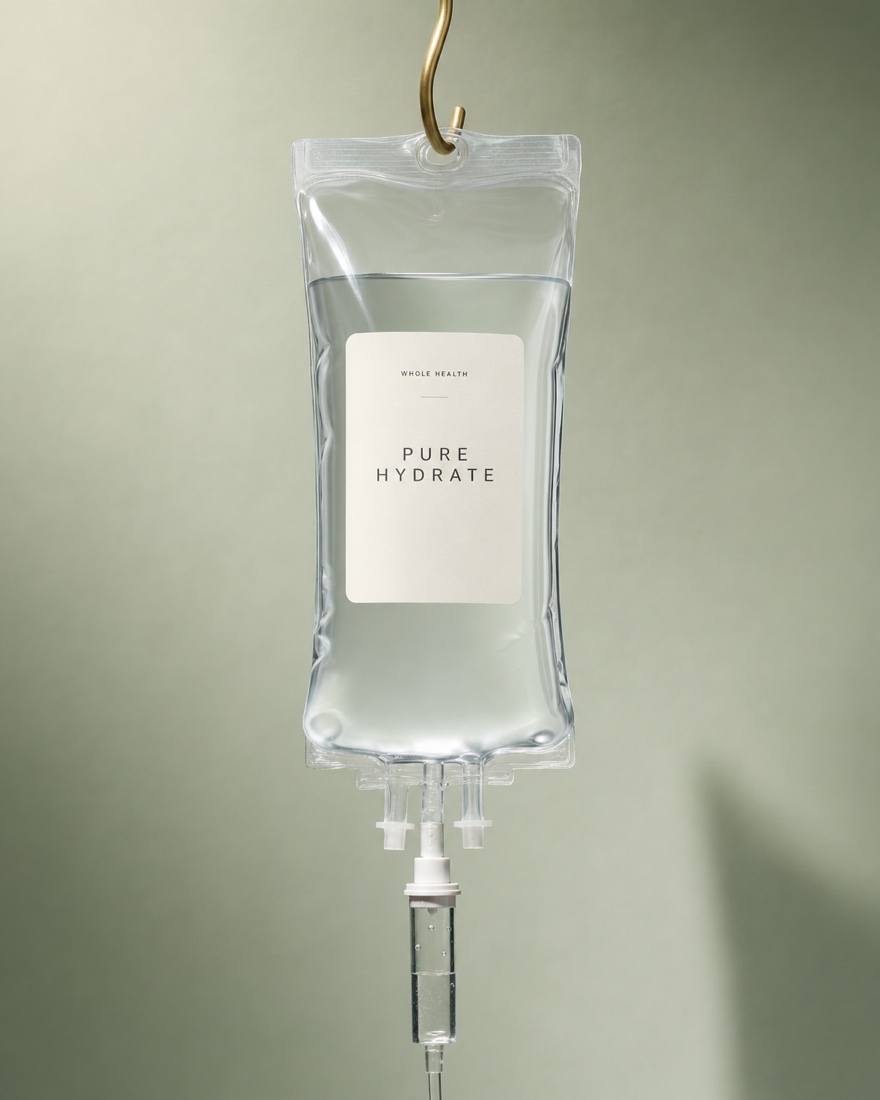
Pure HydrateSaline and electrolytes. The baseline, and the one doing most of the actual work.
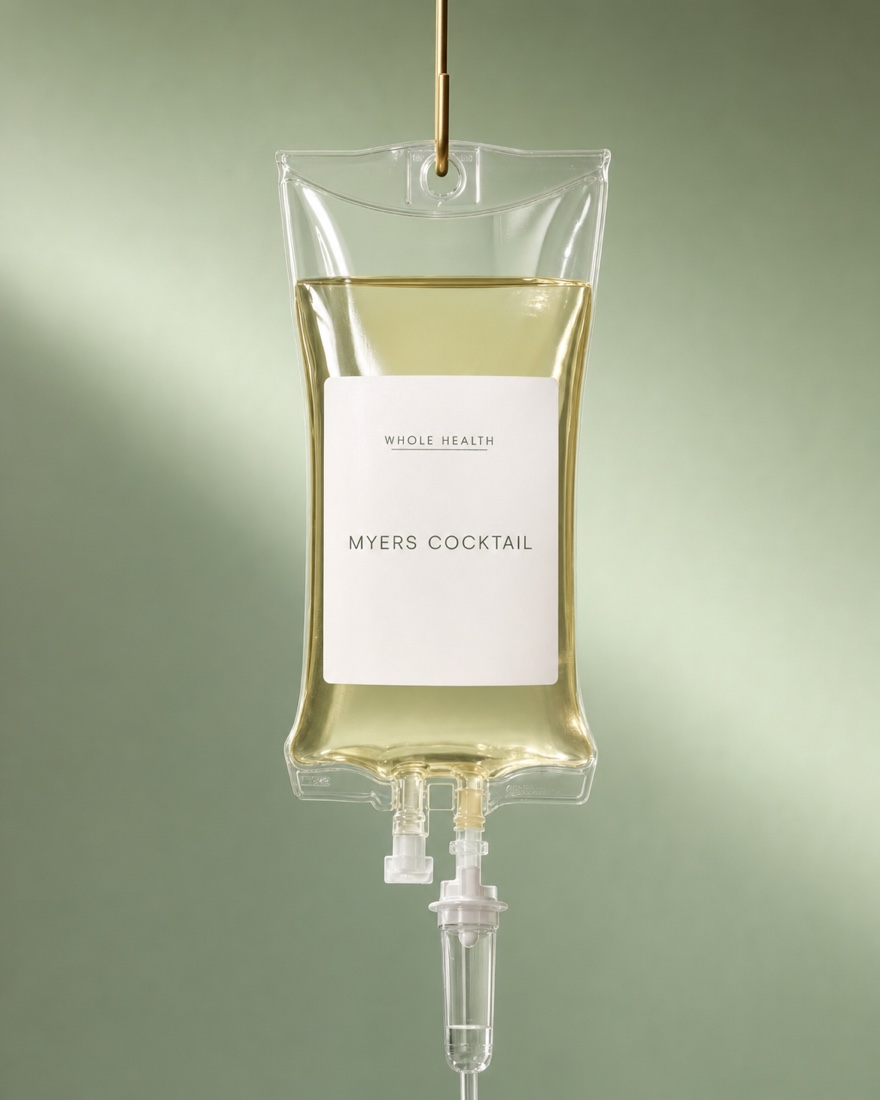
Myers CocktailThe best-known formula: magnesium, calcium, B vitamins and vitamin C.
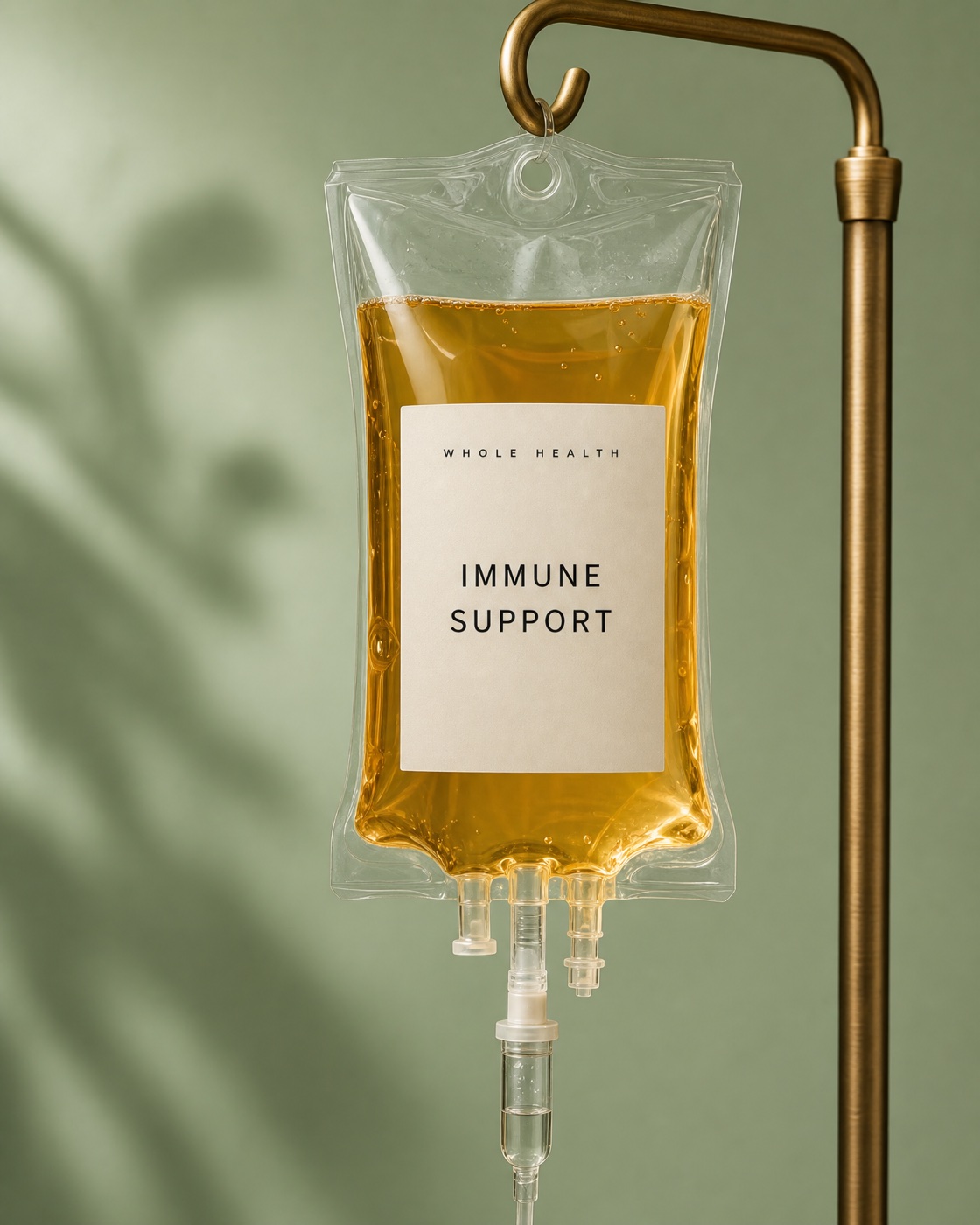
Immune SupportHigher-dose vitamin C with zinc, built around the same saline base.
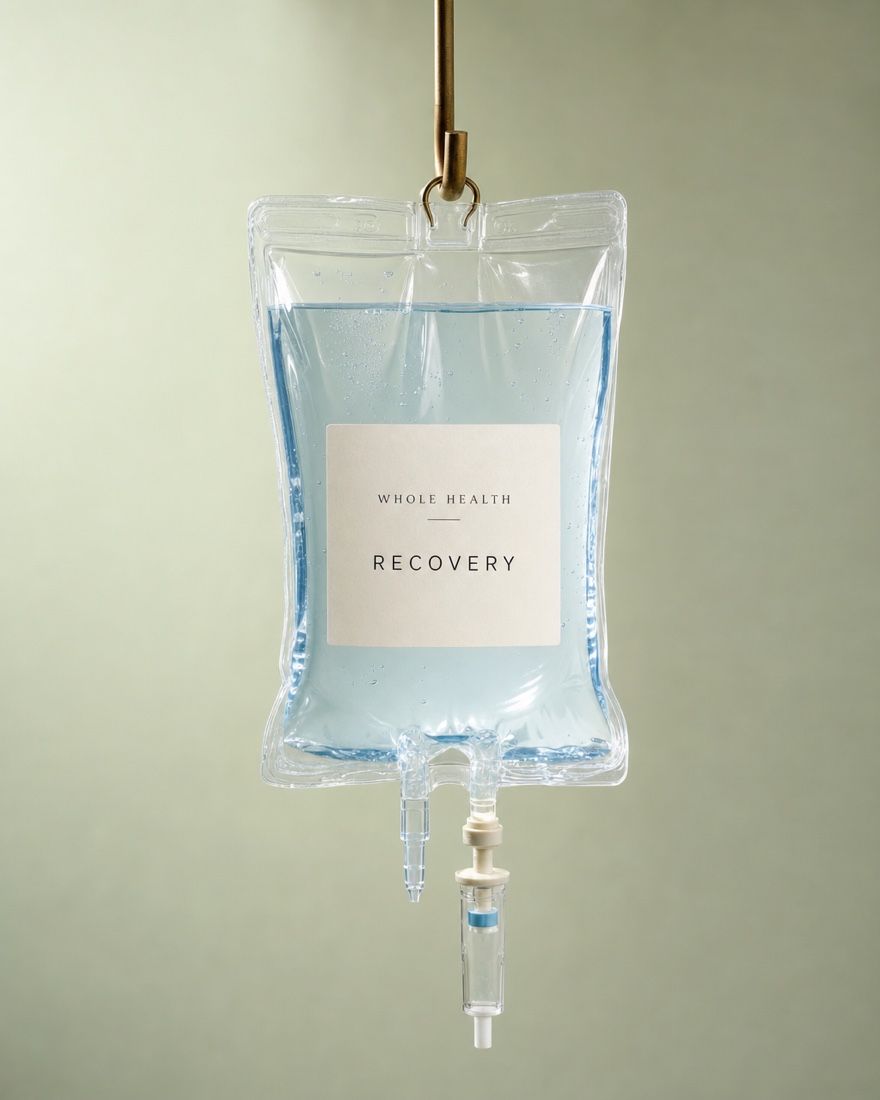
RecoveryFluids and amino acids, chosen after heavy exertion or fluid loss.
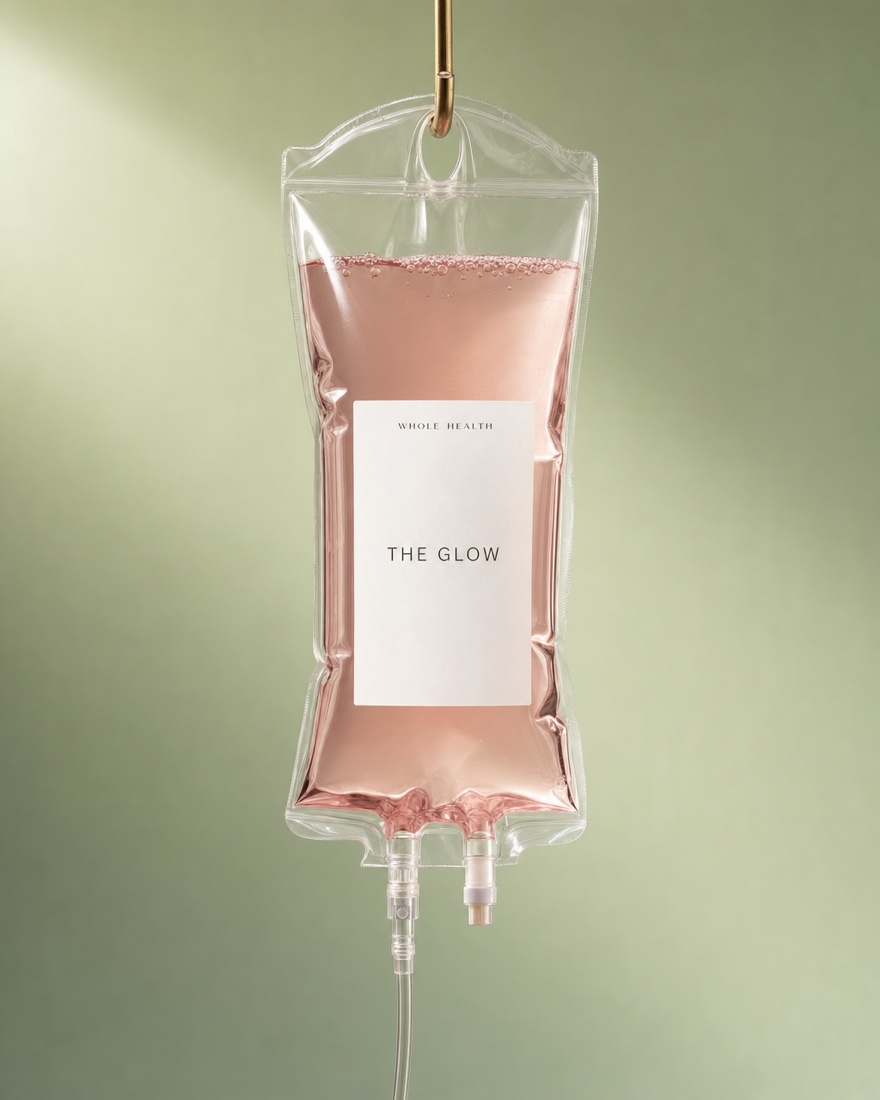
The GlowGlutathione-forward. See the honest note on skin claims below.
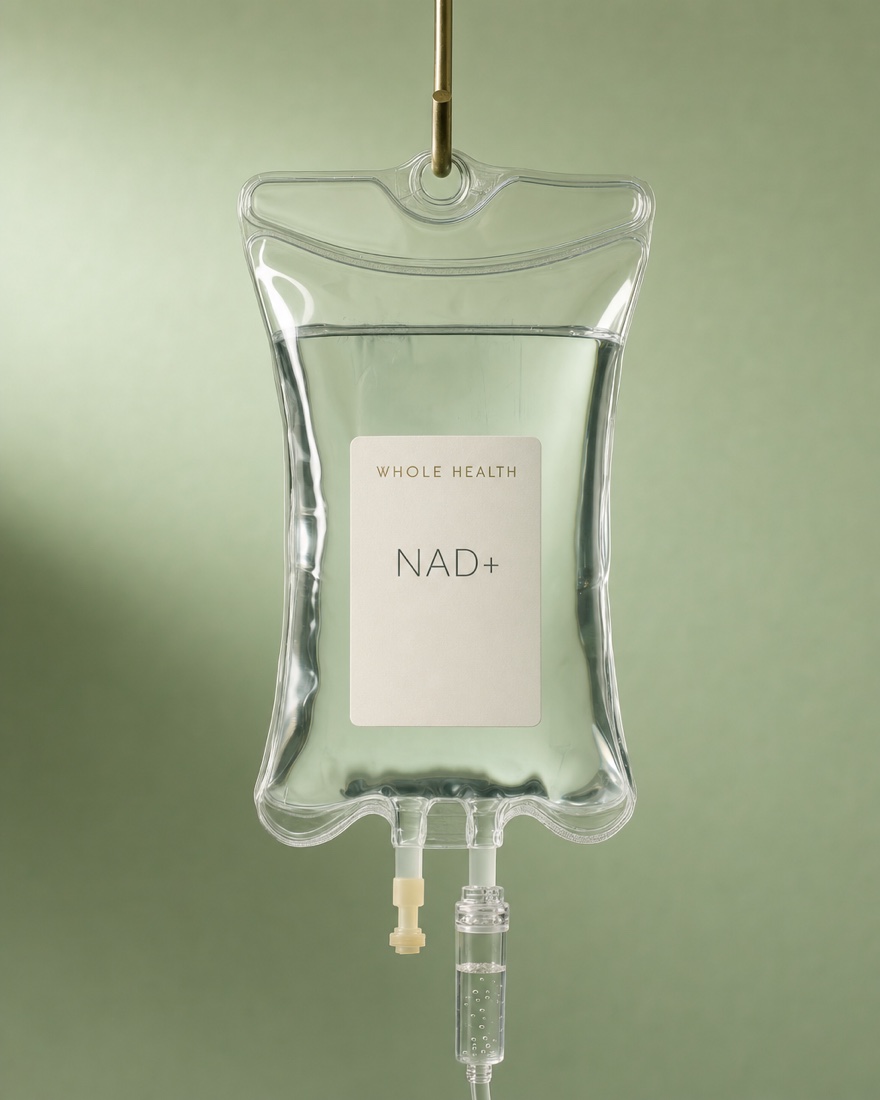
NAD+The outlier on time, infused slowly, typically 90 minutes to two hours.
How long does an IV drip take?
Most drips run 30 to 60 minutes once the line is in. NAD+ is the exception and takes considerably longer, typically 90 minutes to two hours, because infusing it quickly causes an uncomfortable flushing sensation. Add roughly 15 minutes at the start for screening, vitals and placing the line.
What does getting an IV actually feel like?
The needle stick is the only genuinely uncomfortable part, and it lasts a second or two. After that a small flexible catheter stays in the vein, the needle itself is removed, and most people feel nothing beyond a cool sensation up the arm as the fluid runs. Some report a metallic taste with magnesium or B vitamins, which is normal and passes. You can read, work or talk throughout.
The needle comes out. A small flexible catheter is what stays in the vein.
Is IV therapy safe?
In healthy adults, administered by a licensed clinician using pharmacy-sourced ingredients, IV hydration is low risk. The realistic risks are bruising at the site, vein irritation, and rarely infection. The more serious risk is fluid volume: an IV adds a meaningful amount of fluid to your circulation quickly, which matters if your heart or kidneys are already struggling. That is why screening is not a formality.
Who should not get an IV drip?
Anyone with active heart, kidney or liver disease should not have an elective drip without their physician's clearance, because the added fluid volume is the problem rather than the vitamins. Pregnancy and breastfeeding require OB approval. A prior allergic reaction to IV fluids or additives, and G6PD deficiency paired with high-dose vitamin C, are both hard stops. If you have symptoms that could signal something serious, you need a physician, not a wellness drip.
How much does IV therapy cost?
Our drips run from $249 to $849 depending on the formula, with the higher end reflecting NAD+ and the more complex combinations. IV therapy is a private-pay wellness service; it is not billed to insurance, and it is not covered by Medicare. Some clients use HSA or FSA funds, which depends on the plan.
A licensed RN places the line, stays for the infusion, and takes it out.
Does IV therapy actually work?
For genuine dehydration and electrolyte depletion, yes, and that is well established, it is the same principle hospitals rely on. For a healthy, already-hydrated person seeking a general wellness boost, the evidence is much thinner, and any provider claiming otherwise is overselling. We wrote a longer, more sceptical piece on whether IV therapy actually works rather than burying it here.
What is mobile IV therapy?
Mobile IV therapy is the same treatment delivered at your home, hotel or office instead of a clinic. A licensed Registered Nurse travels to you with the supplies, screens you on arrival, places the line and stays for the duration of the drip. The clinical standard should be identical to a clinic; the only difference is the location and, usually, a travel fee outside the immediate service area.
How can you tell a legitimate IV provider from a risky one?
Ask four questions. Who is placing the line, and are they a licensed RN rather than a technician? Where do the ingredients come from, a licensed compounding pharmacy, or an unregulated supplier? Is anyone screening your history, medications and allergies before the drip, or does booking go straight to payment? And does the provider stay with you for the infusion? A provider who cannot answer all four plainly is one to skip.
The honest summary. IV therapy is a delivery method, not a cure. It works well for genuine dehydration and electrolyte loss. For general wellness in a healthy person the evidence is thin, and the fluid is doing more of the work than the vitamin list suggests. It is not a substitute for medical care, and it is not intended to diagnose, treat, cure or prevent any disease.
Frequently Asked Questions
IV therapy, answered.
Straight answers to what people ask before their first drip.
How often can you safely get IV therapy?+
For a healthy adult, an occasional drip is not a concern. There is no established schedule, because there is no clinical reason a healthy person needs one at any interval. If you find yourself booking weekly to feel normal, that is worth raising with a physician, persistent fatigue or dehydration usually has a cause, and repeated drips treat the symptom rather than the reason.
Do you need a doctor's referral for IV therapy?+
Not a referral, but every visit does operate under a licensed provider's order, and a nurse screens your history, medications and allergies before anything is placed. If you have a chronic condition or take regular medication, tell your own physician you are doing IV therapy, some additives interact with prescriptions, and your doctor should have the full picture.
How soon will you feel anything?+
Most people notice a difference in thirst, dry mouth and energy within the session or shortly after, and that is mostly the fluid and electrolytes doing their job. Effects attributed to vitamins are slower, subtler and much harder to separate from expectation. Anyone promising a dramatic immediate transformation is overselling.
What happens if you have a reaction during the drip?+
Your nurse stays with you for the entire infusion, which is the main reason that matters. Minor reactions, a flushing sensation, a metallic taste, mild nausea, are usually managed by slowing the rate. Anything more significant means the drip stops immediately and, where warranted, emergency services are called. This is precisely why an unattended drip, or one placed by an unlicensed provider, is not worth the saving.
Same Thing, Different Names
Why does this have so many names?
Is IV vitamin therapy the same as a vitamin drip or an IV infusion?+
Yes. IV vitamin therapy, vitamin drip, IV infusion and vitamin infusion are all names for the same thing: vitamins and minerals delivered into the bloodstream through an IV rather than taken by mouth. The name varies by who is describing it; the delivery method is identical.
Is hydration therapy the same thing as IV therapy?+
Yes. Hydration therapy is another common name for the same IV drip, sterile saline and electrolytes delivered straight into the bloodstream through a small catheter. Some providers use the term when the focus is fluid replacement rather than a vitamin blend, but the delivery method is the same.