
Investigational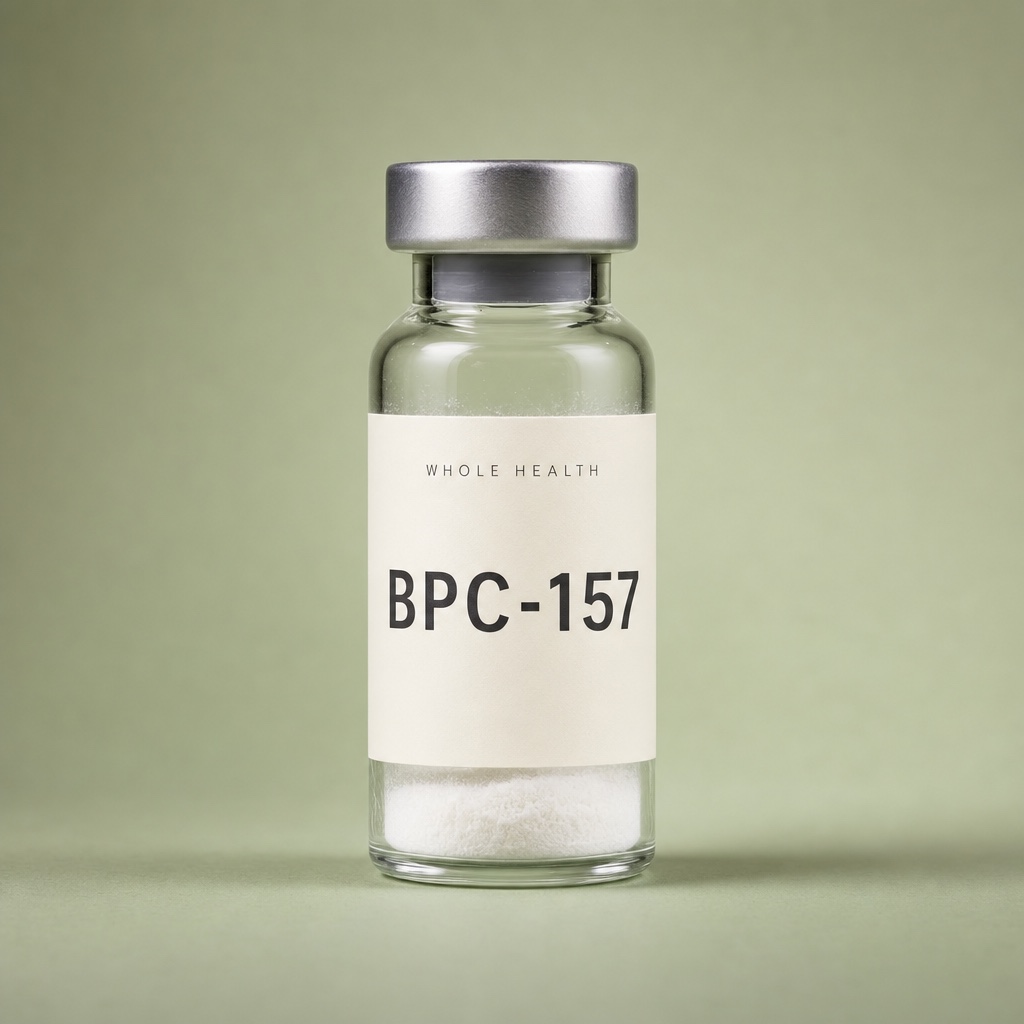
Recovery & Repair
BPC-157
Researched for tissue repair and gut health, and for the recovery of muscle, tendon, and connective tissue.
Typically studied at 200-500 mcg/day (subQ)Book a peptide consultationPeptides are short chains of amino acids that act as precise signals in the body. Under the guidance of a licensed physician, targeted protocols are used to support recovery, performance, metabolism, cognition, longevity, and immune health. Every protocol here begins with a consultation and is provided under medical supervision, serving Orange County, Los Angeles, Riverside, and San Bernardino.

Each is a physician-guided protocol, studied to support a specific goal. Filter by what matters to you.
Researched for tissue repair and gut health, and for the recovery of muscle, tendon, and connective tissue.
Typically studied at 200-500 mcg/day (subQ)Book a peptide consultation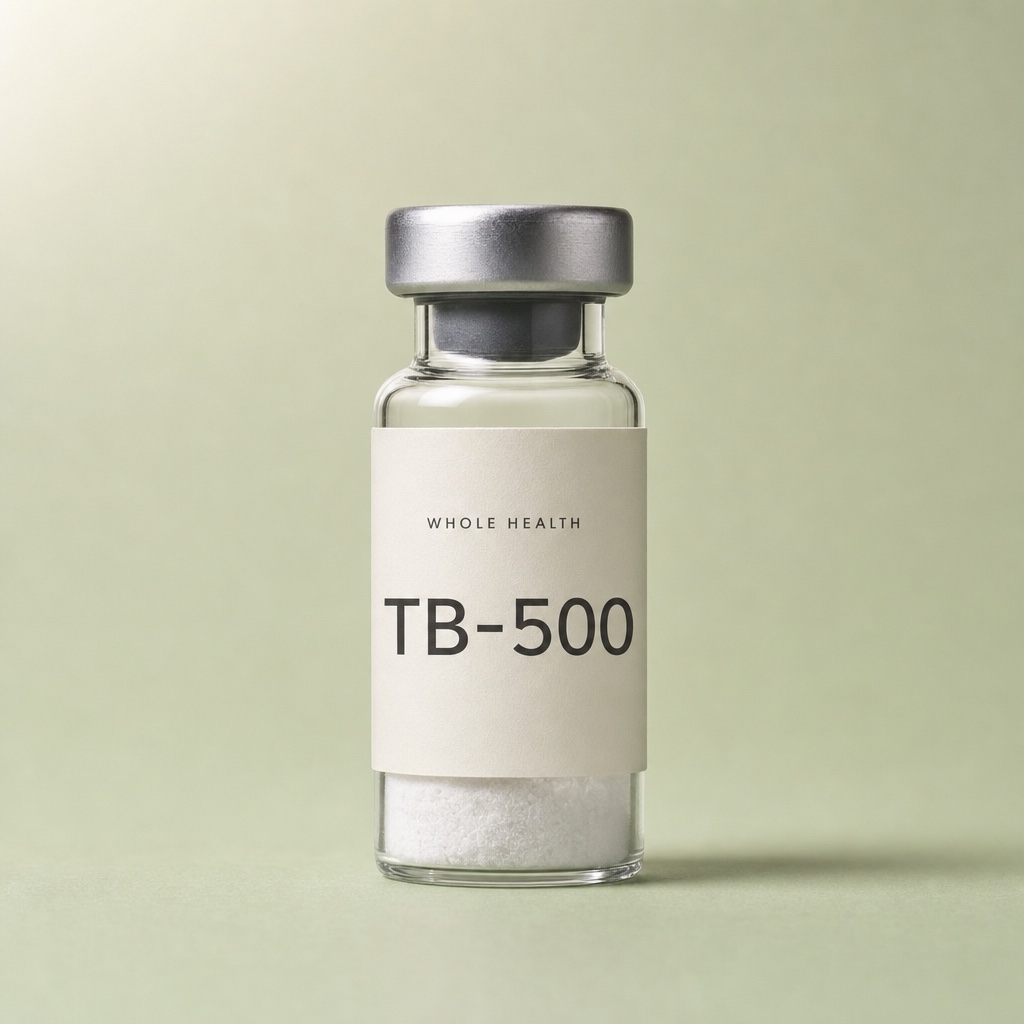
A synthetic version of a natural peptide studied for tissue repair, flexibility, and recovery. Often paired with BPC-157.
Typically studied at 500 mcg-1 mg/day (subQ)Book a peptide consultation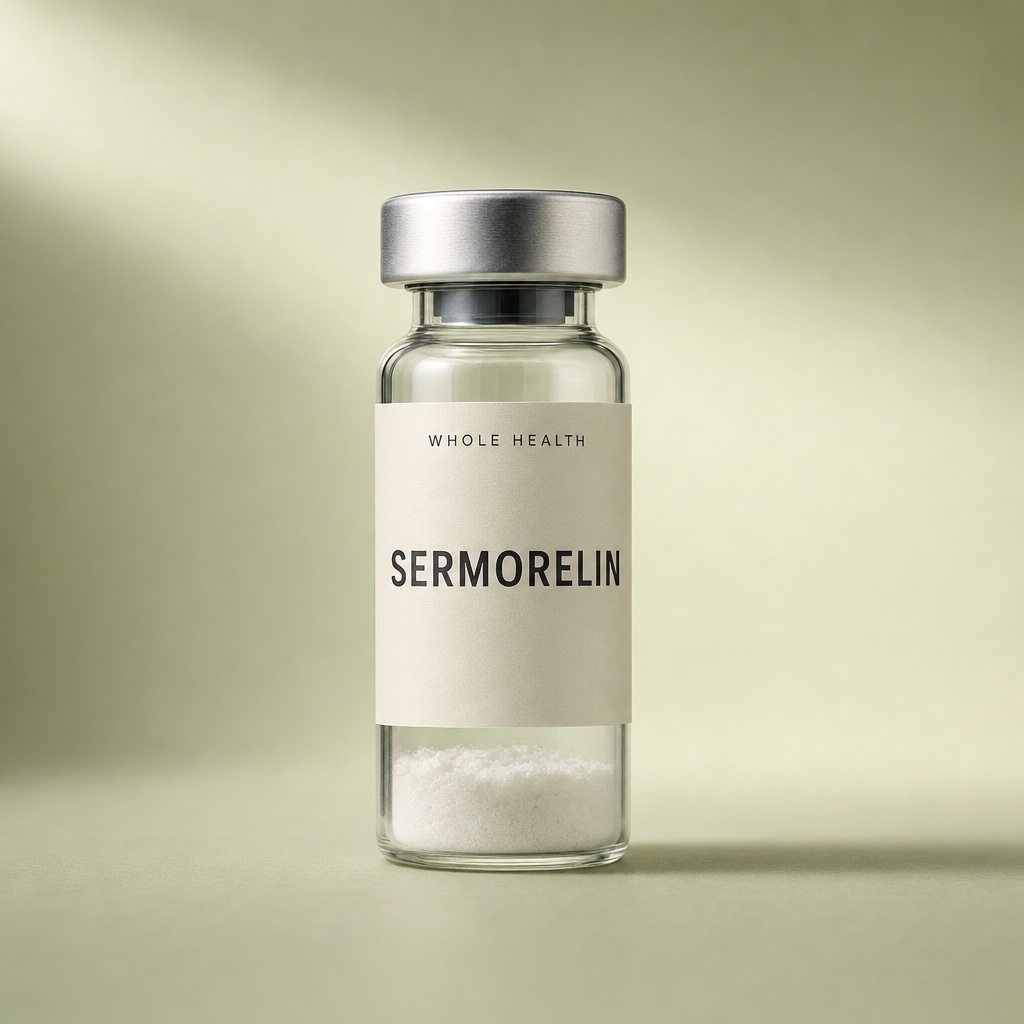
A growth-hormone-releasing peptide studied for energy, sleep, recovery, and body composition. A well-tolerated starting point.
Typically studied at 200-500 mcg/day (subQ)Book a peptide consultation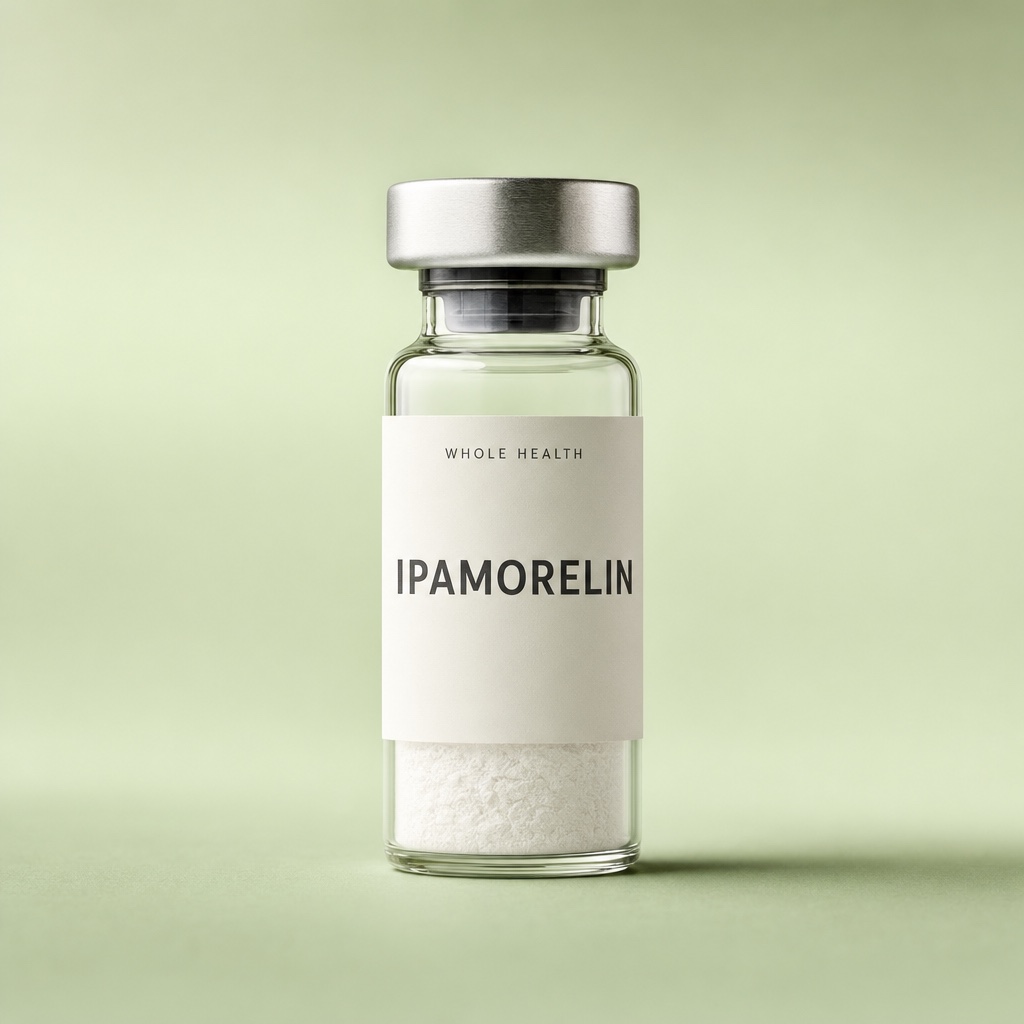
A selective growth-hormone-releasing peptide studied for a clean, targeted release. Often paired with CJC-1295.
Typically studied at 200-300 mcg/day (subQ)Book a peptide consultation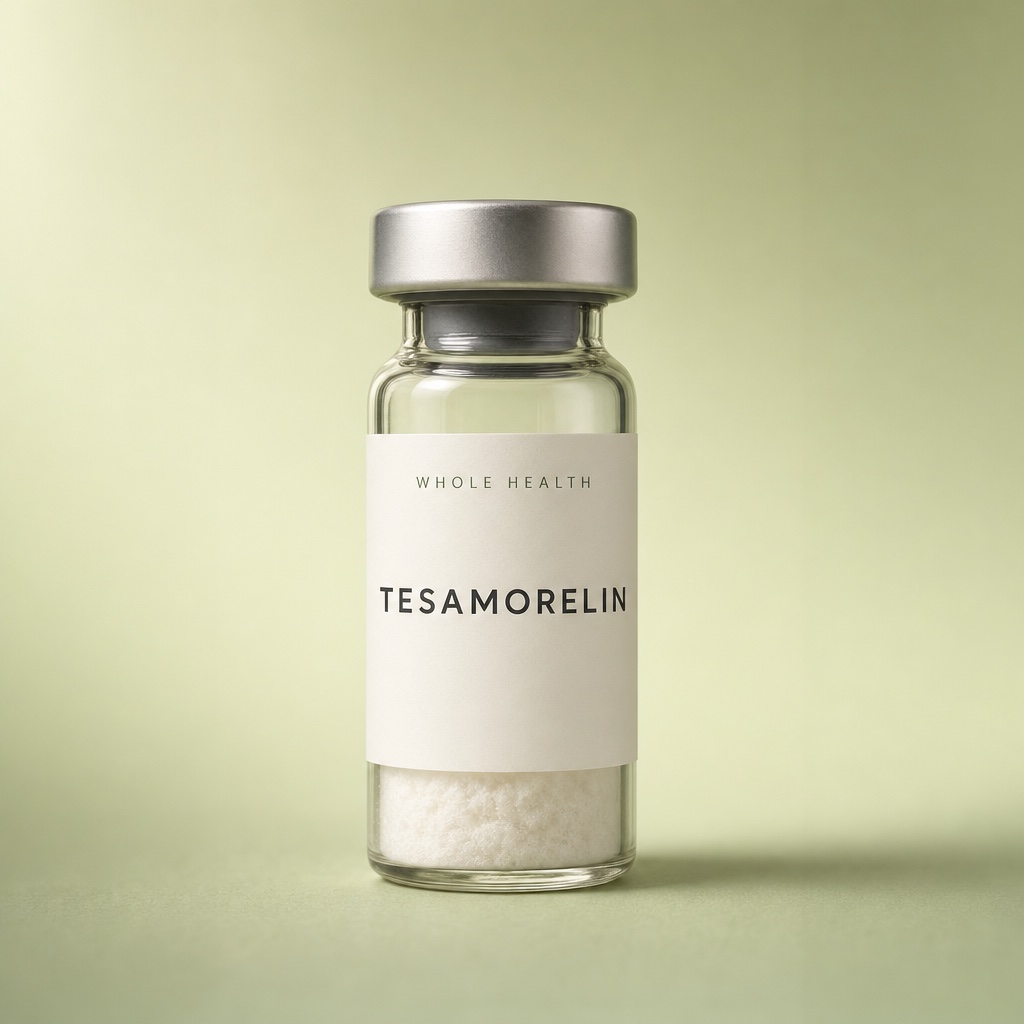
A growth-hormone-releasing peptide studied for body composition, especially visceral fat, alongside recovery.
Typically studied at 2 mg/day (subQ)Book a peptide consultation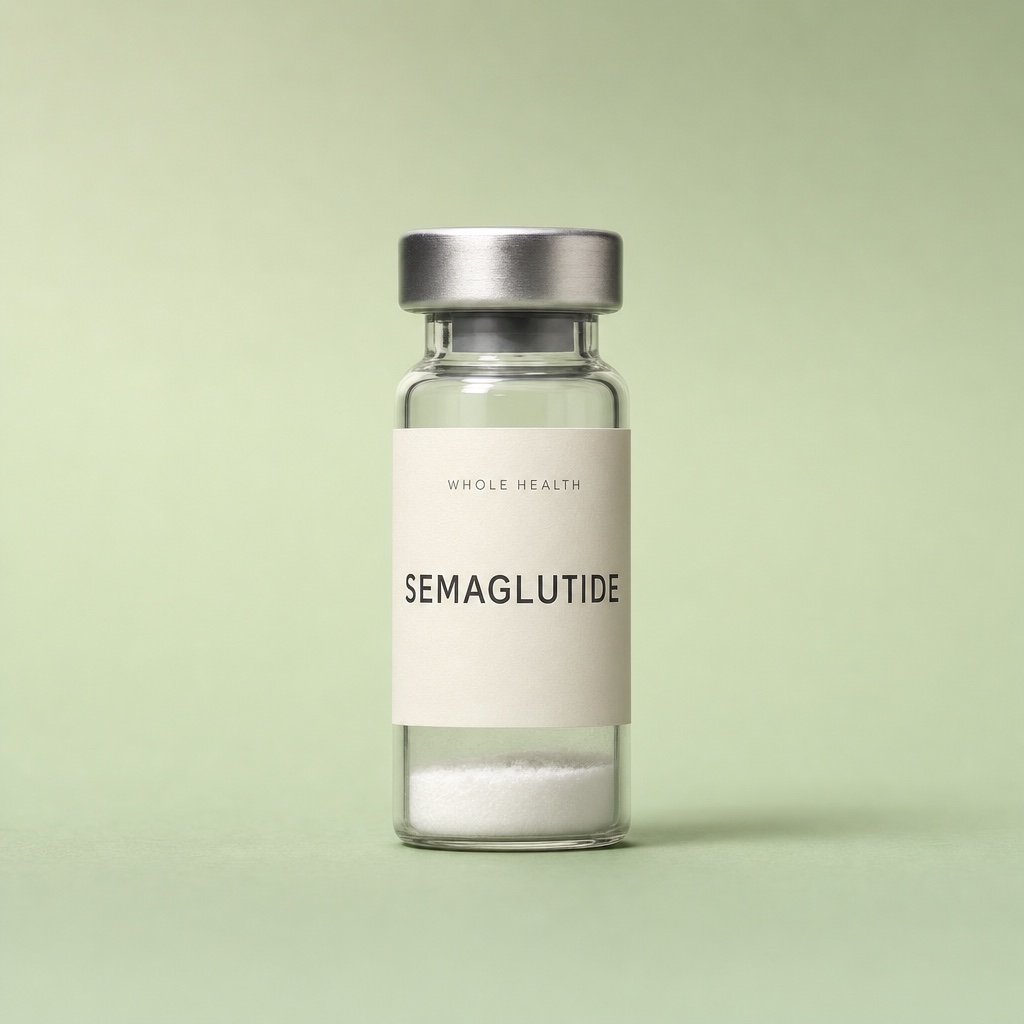
A GLP-1 medication used under physician supervision to support appetite regulation and weight management.
Typically studied at 0.25-2.4 mg/week (subQ)Book a peptide consultation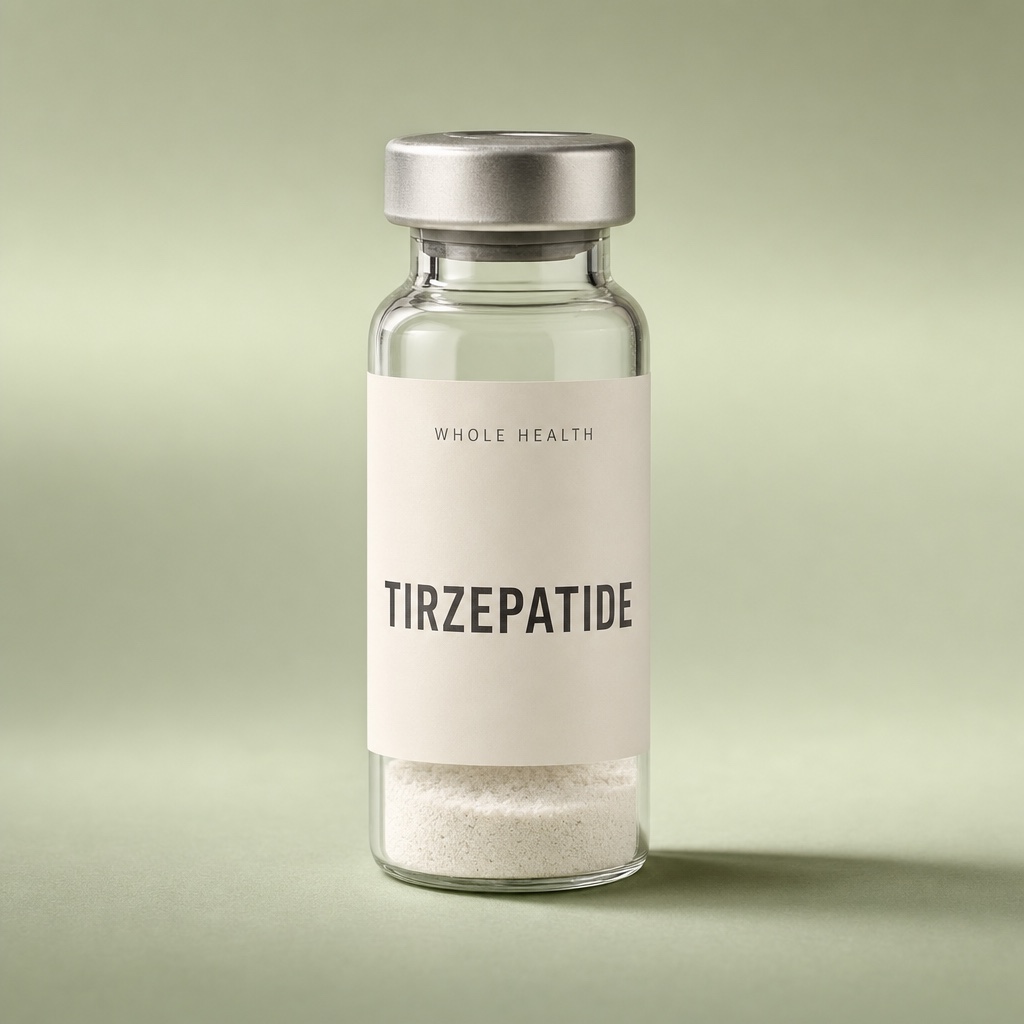
A dual GLP-1 and GIP medication used under physician supervision for appetite and metabolic health.
Typically studied at 2.5-15 mg/week (subQ)Book a peptide consultation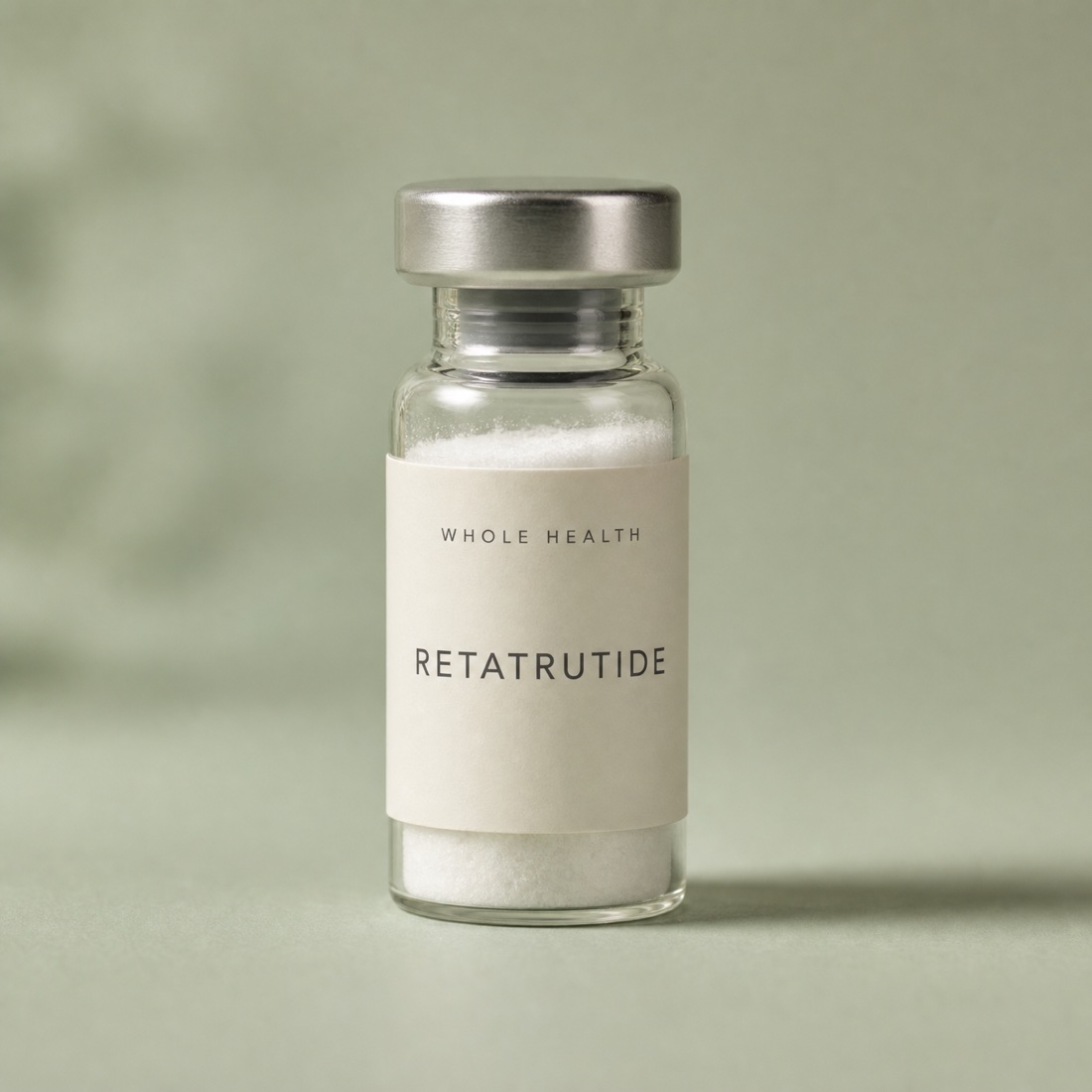
A next-generation triple agonist (GLP-1, GIP, and glucagon) studied for metabolic health. Investigational and not yet FDA approved. It cannot currently be prescribed or compounded outside a clinical trial, so it is shared here for education only and is not offered.
Not offered · investigational only
Studied for potential nootropic effects, including focus, mental clarity, and cognitive resilience under stress.
Typically studied at 200-600 mcg/day (intranasal)Book a peptide consultation
Studied for calm focus, stress resilience, and mood support. Often explored alongside Semax.
Typically studied at 250-500 mcg/day (subQ)Book a peptide consultation
Studied in longevity research for the body's natural repair cycles, sleep, and cellular aging pathways.
Typically studied at 5-10 mg/day (subQ), 10-20 day cyclesBook a peptide consultation
A copper peptide studied for skin health, collagen support, and tissue regeneration.
Typically studied at 1-2 mg/day (subQ) or topicalBook a peptide consultation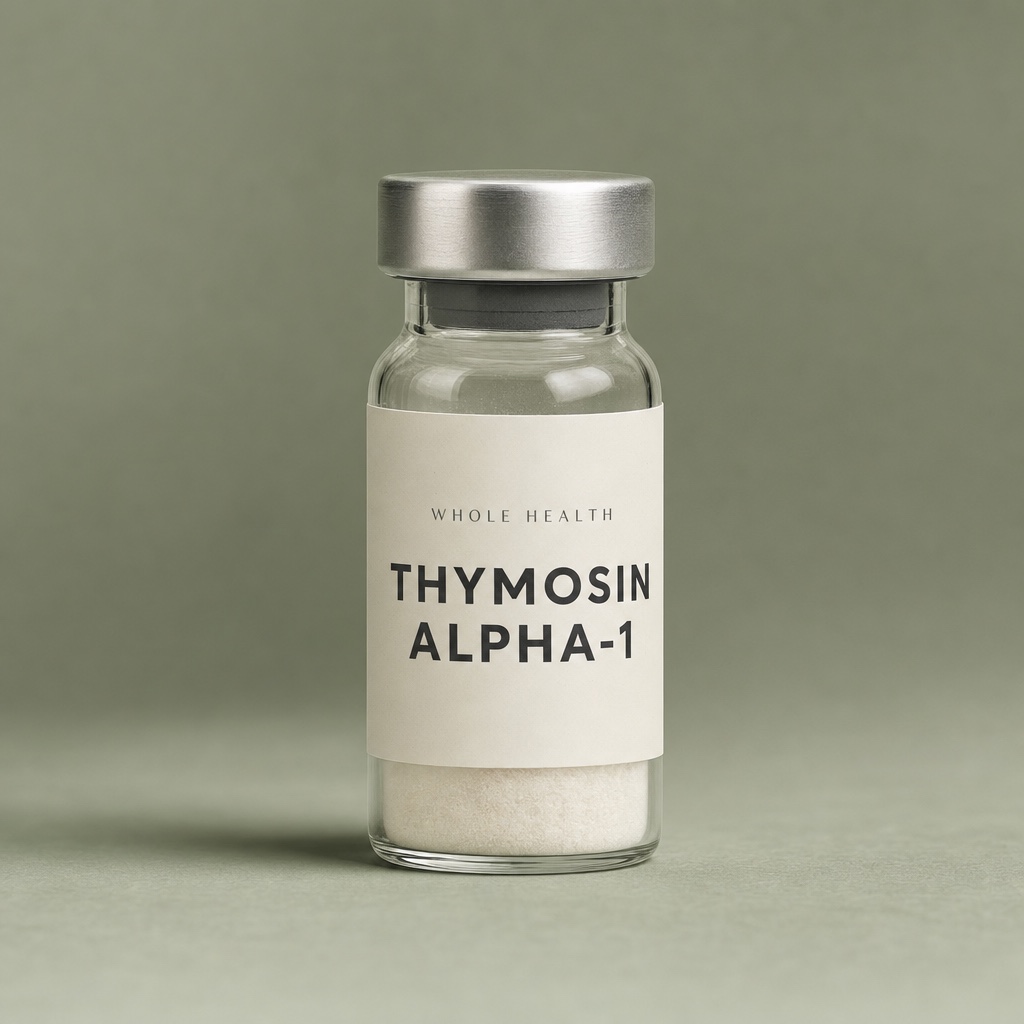
Studied for immune modulation and supporting the body's natural immune defenses and resilience.
Typically studied at 1.6 mg twice weekly (subQ)Book a peptide consultationDose figures shown reflect ranges reported in published research. They are not a dosing recommendation, protocol, or prescription; any dose is individualized by your physician after consultation.
This is a curated selection. The complete list of protocols and what is available to you is reviewed with your physician during your consultation. Peptide pricing is provided during that consultation, based on the protocol your physician recommends.
What each one is, how it is thought to work, and what current research explores. Everything here is educational, and your physician decides what, if anything, is right for you.
BPC-157 is a synthetic peptide modeled on a protective sequence found naturally in the digestive tract. In animal and early laboratory research, it has been studied for its role in tissue-repair processes in muscle, tendon, ligament, and the gut lining.
Much of the scientific interest centers on angiogenesis, the formation of new blood vessels that carry oxygen and nutrients to healing tissue. Athletes and active people explore it for recovery from strains, overuse, and post-surgical downtime.
For the full picture, read our honest guide to what BPC-157 is, what the research actually shows, and its 2026 FDA status.
TB-500 is a synthetic version of Thymosin Beta-4, a protein present in nearly every cell in the body. Research has focused on its role in cell migration, the process by which repair cells travel to the site of an injury.
It is studied for whole-body recovery, flexibility, and reduced exercise-related inflammation, which is why it is so often paired with BPC-157 in recovery-focused protocols.
Sermorelin is a growth-hormone-releasing peptide that prompts your own pituitary gland to produce and release growth hormone naturally, rather than introducing it from outside the body.
Because it works with the body's own rhythm, it is often considered a gentle, physiologic starting point. Research interest centers on sleep quality, recovery, daytime energy, and body composition.
Ipamorelin is a selective growth-hormone secretagogue. It signals a clean, targeted pulse of growth hormone with minimal effect on other hormones such as cortisol, which is why it is valued for its precision.
It is frequently paired with CJC-1295 to extend and smooth that release, and is studied in the context of lean muscle, recovery, and body composition.
Tesamorelin is a growth-hormone-releasing peptide studied most closely for its effect on body composition, in particular visceral fat, the deeper fat stored around the organs.
It is FDA-approved for a specific medical condition and is explored more broadly, under physician supervision, for recovery and metabolic goals.
Semaglutide is a GLP-1 receptor agonist, a class of FDA-approved medications that mimic a natural gut hormone. It supports appetite regulation, slows gastric emptying so you feel full longer, and helps steady blood sugar.
It is prescribed and monitored by a physician as part of a structured plan that includes nutrition and lifestyle, never in isolation.
Tirzepatide is a dual agonist, acting on both the GLP-1 and GIP receptors. This two-pathway approach is studied for appetite regulation and metabolic health, and is FDA-approved under medical supervision.
Like every GLP-1 class medication here, it is prescribed by a physician and paired with nutrition and lifestyle guidance as part of a complete plan.
Retatrutide is the next generation of metabolic research: a single molecule that acts on three receptors at once, GLP-1 and GIP like the current class, plus glucagon, which is studied for its role in energy expenditure and fat metabolism. Researchers often call it the triple agonist.
In clinical trials, retatrutide is being studied as a once-weekly subcutaneous injection for its effects on appetite and metabolic health. Because it is investigational and not yet FDA approved, its outcomes and safety are not established. It cannot currently be prescribed or compounded outside a clinical trial, so it appears here for education only and is not offered. Your physician can explain its current status.
Semax is a peptide developed and studied for cognitive and neuroprotective effects. Research explores its influence on focus, memory, and BDNF, a protein tied to learning and the health of brain cells.
People explore it for mental clarity and cognitive resilience during periods of stress or heavy workload. It is frequently studied alongside Selank.
Selank is a peptide studied for its calming properties without the sedation associated with traditional options. Research looks at its effect on mood, stress resilience, and steady focus.
It is a natural counterpart to Semax, and the two are often explored together for a balance of calm and clarity.
Epitalon is a synthetic peptide based on a substance produced by the pineal gland. It is one of the most discussed peptides in longevity research, studied for its influence on the body's natural repair cycles and telomere biology.
Interest also centers on sleep quality and circadian rhythm, given the pineal gland's role in melatonin and the body's internal clock.
GHK-Cu is a copper-binding peptide that occurs naturally in the body, with levels that decline as we age. It is one of the most researched peptides in skin science, studied for collagen production, tissue remodeling, and antioxidant activity.
It is explored in research for skin firmness and radiance, tissue repair, and hair health, and appears in both topical and injectable studies.
Thymosin Alpha-1 is a peptide produced naturally by the thymus, the gland that helps train the immune system. It is studied for immune modulation, helping the body's own defenses respond in a balanced way.
It has been studied internationally for immune modulation, and is explored in research for resilience and recovery.
When several peptides share a goal, we group them into one guided protocol. Your physician tailors the final combination to you.

Our most-requested pairing for athletes and active bodies recovering from injury, hard training, or surgery.
Start with a consultation
Growth-hormone support built for recovery, lean muscle, and body composition.
Start with a consultation
Physician-supervised support for appetite regulation and metabolic health as part of a structured plan.
Start with a consultation
For focus, mental clarity, and calm resilience under stress.
Start with a consultationFor cellular aging, sleep, skin health, and radiance.
Start with a consultation
For immune resilience and recovery, as part of a physician-guided protocol.
Start with a consultationYou start with a consultation and a good-faith exam by a licensed physician who reviews your history and goals.
If peptides are a fit, your physician designs a protocol tailored to you, and explains exactly what to expect.
You are supported and monitored throughout, and every initial consultation includes a complimentary 30-day follow-up so guidance continues well past day one.
Peptides are short chains of amino acids that act as precise signaling molecules in the body. Targeted peptide protocols are used to support specific goals such as recovery, performance, metabolism, cognition, longevity, and immune health.
Yes. Every protocol begins with a consultation and a good-faith exam by a licensed physician, who determines whether a peptide protocol is appropriate for you and which one fits your goals.
No. Peptides are not appropriate for everyone, and eligibility is decided by your physician based on your health history and goals. Some people are better served by other options.
Most peptides are provided through physician-guided protocols and have not been evaluated by the FDA for the uses described here. Certain medications, such as the GLP-1 class, are FDA approved and prescribed under medical supervision. Your physician will explain the status of anything recommended for you.
Administration is directed by your physician as part of your protocol, with guidance and monitoring throughout. We walk you through every step.
No. Peptide research is evolving and responses vary from person to person. Everything here is educational, and your physician sets realistic expectations for your specific plan.
Every peptide protocol begins with a paid consultation and good-faith exam by a licensed physician. That first visit includes a complimentary 30-day follow-up, built around the exact protocol you are prescribed, so you are guided, monitored, and adjusted through the month that matters most. You are never handed a plan and sent on your way.
30-day follow-up included, at no extra costA paid initial consultation and good-faith exam with a licensed physician who reviews your history and goals.
If peptides are a fit, your physician designs a protocol tailored to you and explains exactly what to expect.
A complimentary 30-day follow-up based on the protocol you were prescribed, so guidance continues well past day one.
The right first step is a conversation with our physician-led team. We will help you understand your options and whether a peptide protocol makes sense for you.
Book a Peptide Consultation